OUR VISION
To become India's most trusted luxury hospitality brand, delivering exceptional guest experiences through innovation, elegance, professionalism, and consistently flawless service excellence.
Luxury Hospitality Redefined
We deliver luxury hospitality, weddings, events, and guest management services
across India's leading cities.
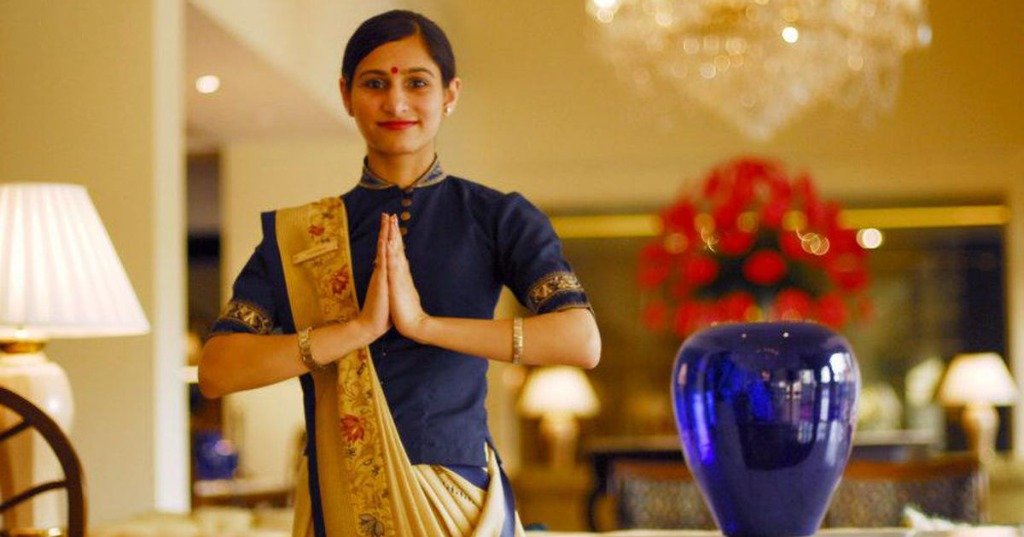
Excellence In Hospitality
GREAT HOSPITALITY TURNS MOMENTS INTO UNFORGETTABLE LIFELONG MEMORIES
Radiance Hospitality is a premium hospitality brand delivering refined guest experiences across weddings, corporate events, hotels, and luxury venues, blending Indian warmth with global service standards and timeless professional execution.
Operating across Jaipur, Delhi, Agra and major metro cities, we provide end-to-end hospitality management, concierge, catering, travel, and event services with precision, elegance, reliability, and personalized attention for every occasion.
Get In Touch ›To become India's most trusted luxury hospitality brand, delivering exceptional guest experiences through innovation, elegance, professionalism, and consistently flawless service excellence.
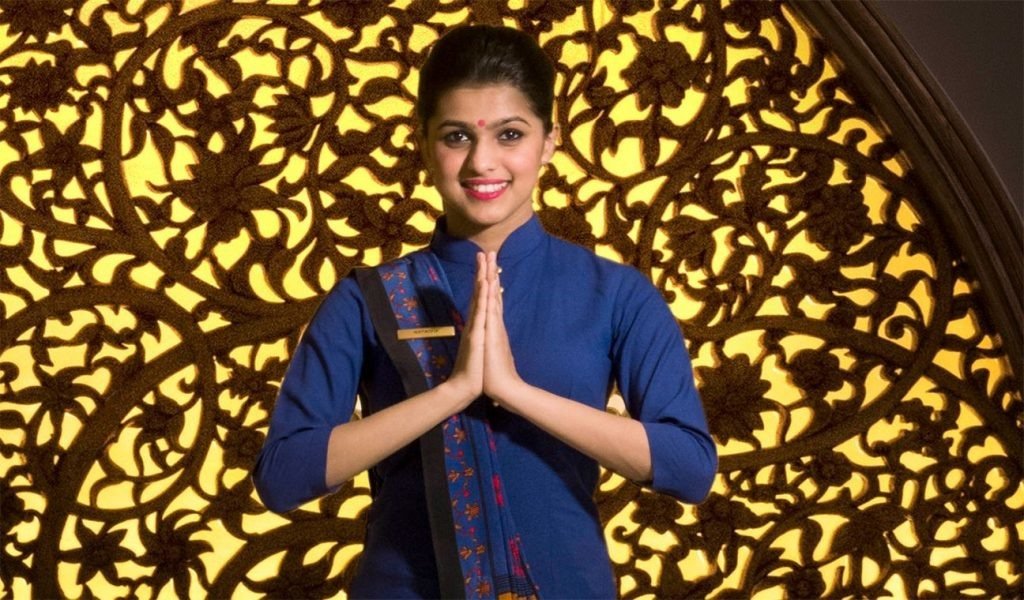
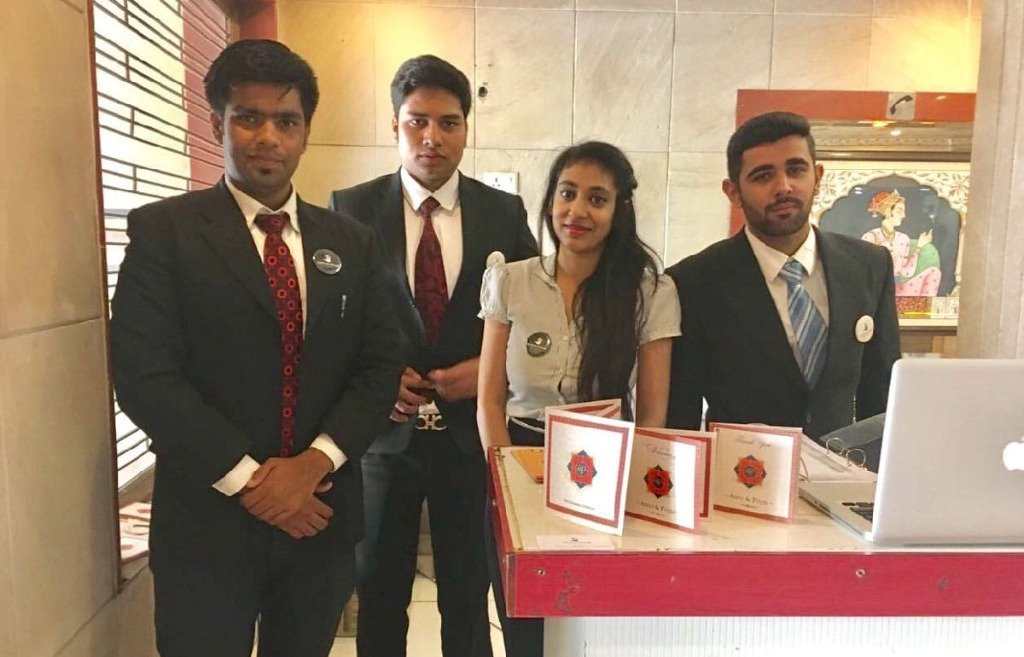
Our trained hospitality professionals deliver warm service, operational excellence, and personalized guest experiences through discipline, dedication, and refined service standards.
We value integrity, excellence, guest satisfaction, teamwork, innovation, and professionalism, delivering trusted hospitality experiences through ethical practices and consistent service quality.
Complete Hospitality Solutions
DELIVERING SEAMLESS HOSPITALITY EXPERIENCES WITH PRECISION, ELEGANCE, AND PROFESSIONALISM ALWAYS
Radiance Hospitality offers comprehensive hospitality solutions including weddings, corporate events, catering, guest management, travel assistance, and hotel services, designed to deliver refined experiences with seamless coordination and operational excellence. Serving Jaipur, Delhi, Agra and metro cities, our expert team customizes each service, ensuring quality execution, luxury standards, reliability, and memorable guest experiences for every event, venue, and hospitality engagement.
We provide complete wedding hospitality including guest management, luxury stays, catering coordination, and seamless on-ground support for memorable celebrations.
Enquire Now ›We deliver professional corporate and MICE hospitality solutions, ensuring seamless conferences, meetings, incentives, exhibitions, and exceptional guest experiences.
Enquire Now ›We manage travel logistics, airport transfers, accommodations, and personalized guest services, ensuring smooth journeys and comfortable, stress-free experiences.
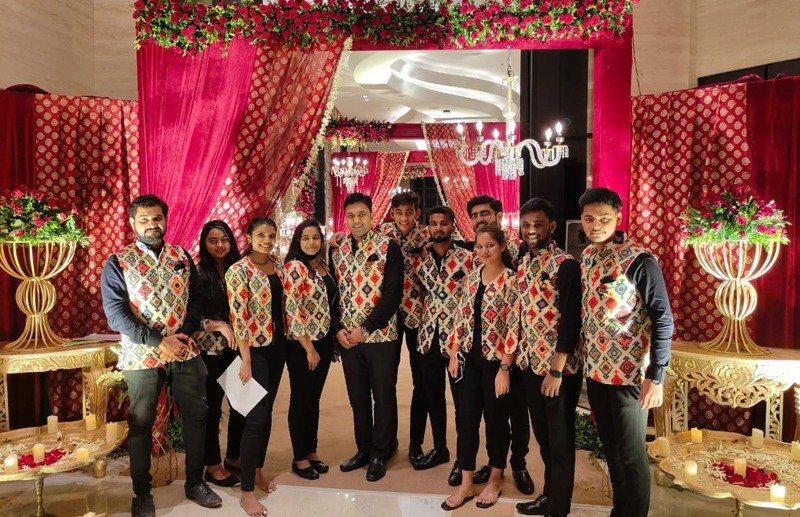
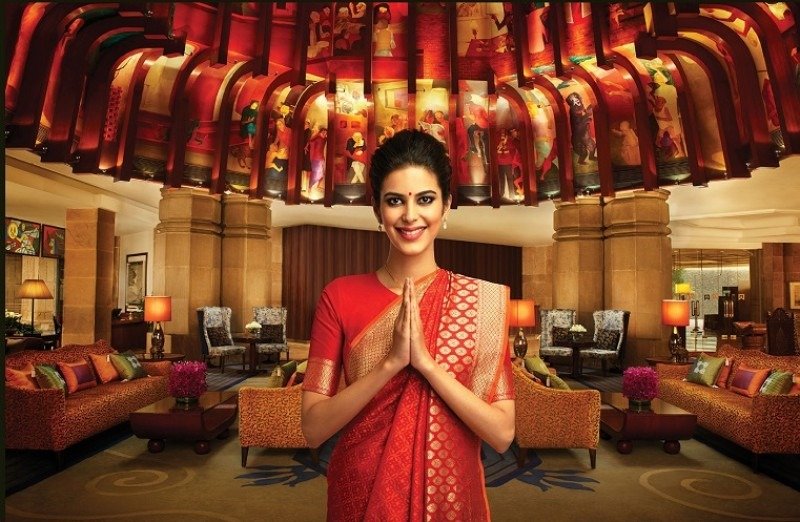
Enquire Now ›Visual Excellence
We'd Love To Hear From You
Gomti nagar, Lucknow 226001 India
2nd Floor, Anand Bhawan, Sansar Chand Road,
Jaipur, RJ 302001
Mon – Fri: 9:00 AM – 8:00 PM
Saturday: 10:00 AM – 4:00 PM